
Laptops by Screen Size: 13, 14, 15.6, 16, 17.3, and 18 Inch Compared
Laptops by Screen Size: 13, 14, 15.6, 16, 17.3, and 18 Inch Compared
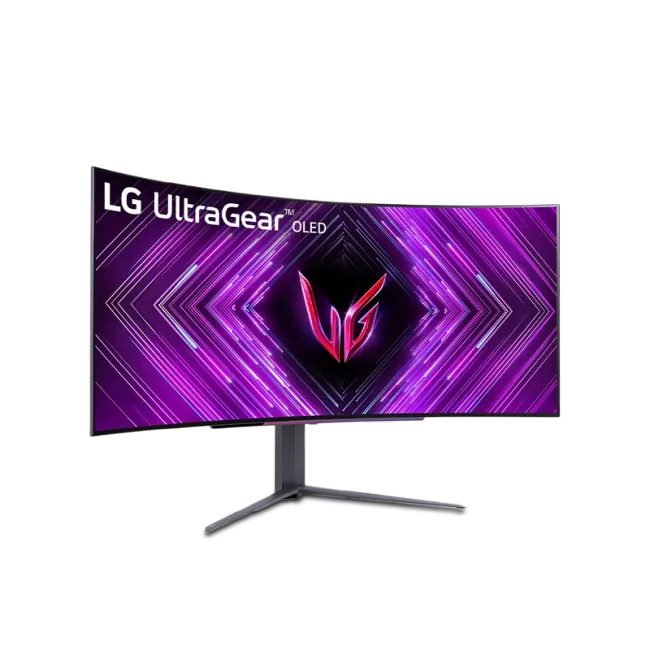
Choosing between different laptops is not only about comparing processors, graphics cards, RAM, or storage. Screen size can significantly influence portability, productivity, انفني ارك gaming, battery life, keyboard layout, and the overall user experience.
Today, buyers can choose from compact 13 inch laptops and portable 14 inch laptops to versatile 15.6 inch laptops and 16 inch laptops. At the larger end, 17.3 inch laptops and 18 inch laptops provide expansive displays that can be particularly useful for gaming, creative work, and desktop-replacement setups.
There is no single laptop size that works best for everyone. The right choice depends on where you use your laptop, what applications you run, and how much you value portability compared with screen space.
https://www.infiniarc.com/laptops/gaming
Why Does Laptop Screen Size Matter?
شاشة الألعاب المثالية: دليلك لاختيار أفضل شاشة قيمنق بتقنيات حديثة
Screen size affects much more than how large images appear. It often influences the physical dimensions and weight of the laptop, available keyboard space, cooling design, battery capacity, and room for internal components.
Smaller laptops are generally easier to carry between home, university, the office, and other locations. Larger laptops can provide more screen space and may accommodate more powerful hardware and cooling solutions, although the exact design varies between models.
Before choosing a laptop size, consider:
- Portability and weight
- Screen resolution
- Gaming requirements
- Productivity and multitasking
- Keyboard and touchpad size
- Battery requirements
- CPU and GPU performance
- Cooling system
- Available ports
- Desk space
Your ideal screen size should complement these requirements rather than being considered separately.
13 Inch Laptops for Maximum Portability
13 inch laptops are designed primarily for users who value portability and compact dimensions.
Their smaller footprint makes them convenient for students, business travelers, commuters, and professionals who regularly work away from a permanent desk.
A 13-inch laptop can be particularly practical for web browsing, office applications, online meetings, studying, writing, and general productivity.
Another advantage is that compact laptops fit easily into smaller backpacks and take up less space when used on airplanes, trains, or small desks.
However, the reduced screen area may feel restrictive for users who frequently work with multiple applications simultaneously, edit complex timelines, or want an immersive gaming experience.
https://www.infiniarc.com/laptops/gaming?filters=18-inch
14 Inch Laptops: Portability Meets Productivity
14 inch laptops provide an attractive middle ground between compact portability and practical screen space.
For many users, 14 inches is large enough for everyday productivity while remaining convenient to carry. This makes the category popular for business, education, programming, remote work, and general computing.
Modern 14-inch laptops can also offer powerful processors and, depending on the model, dedicated graphics hardware.
When comparing 14-inch systems, consider screen resolution and aspect ratio as well as diagonal size. Two 14-inch displays can provide noticeably different working experiences depending on their resolution, proportions, brightness, and panel quality.
13 Inch vs 14 Inch Laptops
The difference between 13 inch laptops and 14-inch models may sound small, but it can influence everyday use.
Choose 13 inches when maximum portability is the priority. Consider 14 inches when you want slightly more workspace while maintaining a compact form factor.
For frequent travelers, either can be practical. The final decision should consider the laptop’s actual dimensions and weight rather than screen size alone because bezel design and chassis construction vary between manufacturers.
https://www.infiniarc.com/laptops/gaming?filters=17.3-inch
15.6 Inch Laptops for Everyday Versatility
15.6 inch laptops have long represented one of the most familiar laptop sizes.
The larger screen provides more workspace than compact laptops while remaining portable enough for many users. This category includes systems designed for office work, home computing, education, entertainment, professional applications, and gaming.
A larger chassis may also provide space for additional ports, different keyboard layouts, and cooling solutions, depending on the manufacturer.
For users who want one computer for several purposes, a 15.6-inch laptop can provide a useful balance between:
Screen Space + Performance + Portability + Price
However, individual models can differ substantially, so the complete specifications should always be compared.
16 Inch Laptops for More Working Space
16 inch laptops have become particularly attractive to users who want a larger display without immediately moving to the traditional 17-inch class.
They can provide generous screen space for productivity, creative applications, programming, video editing, gaming, and multitasking.
Some 16-inch laptops use taller display aspect ratios that provide additional vertical workspace. This can be useful for documents, websites, spreadsheets, editing applications, and code.
The larger chassis can also be useful in performance-oriented laptops, although CPU, GPU, thermal design, and power limits should always be checked individually.
A 16-inch laptop can therefore be an excellent choice for users who primarily work at a desk but still need to carry their computer regularly.
https://www.infiniarc.com/laptops/gaming?filters=16-inch
15.6 vs 16 Inch Laptops: What’s the Difference?
Choosing between 15.6 inch laptops and 16-inch models should involve more than comparing the diagonal measurement.
Look at:
Resolution: A higher-resolution screen can provide additional detail and workspace.
Aspect ratio: A taller screen can change how much vertical content is visible.
Refresh rate: Particularly important for gaming laptops.
Weight: A 16-inch model is not automatically much heavier than a 15.6-inch alternative.
Dimensions: Thin bezels can reduce the difference in overall chassis size.
Hardware: Compare the CPU, GPU, RAM, SSD, and cooling configuration.
For this reason, 15.6 vs 16 inches is better viewed as a complete laptop comparison rather than simply a screen-size decision.
17.3 Inch Laptops for Gaming and Desktop Replacement
17.3 inch laptops provide substantially more display area and are often associated with gaming, workstation, and desktop-replacement computers.
The larger screen can make games more immersive and provide additional visual space for creative applications, spreadsheets, editing software, and multitasking.
For gaming, a 17.3-inch screen can be particularly attractive when combined with an appropriate resolution and high refresh rate.
Larger chassis may also provide manufacturers with more physical space for cooling and powerful components, but this does not automatically mean every 17.3-inch laptop is faster than a smaller model.
The trade-off is portability.
A 17.3-inch laptop generally requires a larger bag and more desk space, making it less convenient for users who travel every day.
https://www.infiniarc.com/laptops/gaming?filters=15.6-inch
18 Inch Laptops for Maximum Laptop Screen Space
18 inch laptops sit at the large end of the laptop market and are often aimed at performance-focused users.
An 18-inch display can provide an immersive experience for gaming, entertainment, content creation, 3D applications, and professional workloads.
These systems can be particularly appealing to users looking for a portable alternative to a desktop gaming setup while still wanting a large integrated display.
Performance-oriented 18-inch laptops may be available with high-end CPUs and dedicated GPUs, but buyers should carefully compare specifications rather than assuming screen size determines performance.
Cooling, power limits, graphics configuration, RAM, storage, and display characteristics all matter.
Are 18 Inch Laptops Good for Gaming?
An 18 inch laptop can be an excellent gaming platform when its hardware matches the intended games and resolution.
The large screen can improve immersion, while performance-focused models may offer high-refresh-rate panels and powerful graphics hardware.
However, an 18-inch gaming laptop is less convenient for frequent travel.
Users should consider whether they genuinely need laptop portability. If the computer will remain on a desk most of the time, the large form factor may be practical. If it needs to be carried daily, a smaller gaming laptop may provide a better balance.
17.3 vs 18 Inch Laptops<
شاشة الألعاب المثالية: دليلك لاختيار أفضل شاشة قيمنق بتقنيات حديثة/h2>
Both 17.3 inch laptops and 18-inch systems target buyers who value screen space over maximum portability.
An 18-inch display provides slightly more viewing area, while 17.3-inch laptops offer a well-established large-screen format with a wide range of configurations.
The better choice depends on the individual products.
Compare screen resolution, refresh rate, panel quality, GPU, CPU, cooling, weight, dimensions, battery capacity, and price before deciding.
https://www.infiniarc.com/laptops/gaming?filters=14-inch
Which Laptop Size Is Best for Gaming?
Gaming laptops are available in several screen sizes, and each category has advantages.
14 inch laptops can suit gamers who prioritize portability.
15.6 inch laptops provide a familiar balance between gaming and mobility.
16 inch laptops offer additional screen space while remaining relatively portable.
17.3 inch laptops provide a larger gaming experience.
18 inch laptops target users seeking maximum screen space and desktop-replacement performance.
Screen size does not determine FPS. The GPU, CPU, RAM, cooling, power configuration, resolution, and game settings have a much greater direct impact on gaming performance.
Which Laptop Size Is Best for Work?
For students and professionals who travel frequently, 13-inch and 14-inch laptops can provide excellent portability.
For mixed office and home use, 15.6-inch and 16-inch models offer additional workspace while remaining reasonably mobile.
Users working primarily at a desk may prefer 17.3-inch or 18-inch laptops, particularly when dealing with large spreadsheets, creative applications, editing tools, or multiple windows.
External monitors are another consideration. Someone who uses a large monitor at the office may prioritize laptop portability and choose a smaller screen for travel.
https://www.infiniarc.com/laptops/gaming?filters=13-inch
Screen Resolution Matters as Much as Size
Two laptops with identical screen sizes can deliver very different viewing experiences.
When comparing displays, consider resolutions such as FHD, QHD, and higher-resolution options, depending on the laptop category.
Higher resolution can increase image detail and workspace, but it can also increase graphics workload in gaming and affect battery consumption depending on the system.
Also consider:
- Refresh rate
- Brightness
- Color coverage
- Contrast
- HDR capabilities
- Panel technology
- Response performance
- Touchscreen support
For gaming laptops, refresh rate can be particularly important, while creators may place greater emphasis on color accuracy and resolution.
Laptop Size Comparison
Screen SizeBest Suited For13 inchMaximum portability, travel, study14 inchPortable productivity and business15.6 inchVersatile everyday use and gaming16 inchProductivity, creation and gaming17.3 inchLarge-screen gaming and workstation use18 inchPerformance and desktop replacement
These are general guidelines. The exact laptop specifications should always determine the final decision.
Choose the Right Laptop Size for Your Needs
The wide variety of laptops available today means you do not need to compromise on the features that matter most to you.
13 inch laptops prioritize portability, while 14 inch laptops combine mobility with additional workspace. 15.6 inch laptops remain versatile for everyday computing and gaming, while 16 inch laptops provide a larger workspace for productivity and entertainment.
At the upper end, 17.3 inch laptops offer a large-screen experience, while 18 inch laptops are particularly suited to users looking for gaming, professional performance, or a desktop-replacement system.
Rather than choosing the largest screen, match the laptop’s screen size, resolution, CPU, GPU, RAM, SSD, refresh rate, battery life, weight, and cooling to how and where you actually plan to use it.